
How to Track Fitness Progress Without Focusing Only on Weight

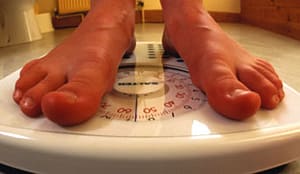
The scale is a terrible storyteller. It gives you one number and leaves out the entire plot. You could be getting stronger, sleeping better, running farther, and feeling more energetic while that number barely changes. That is why fitness progress deserves a bigger scoreboard. Your body is doing far more than gaining or losing pounds. Track the changes that actually affect how you move and live, and you may realize you have been improving all along.
Track Your Strength
Strength is one of the easiest progress markers to record. Maybe you started with five push-ups and can now do twelve. Perhaps your squat has gone from an empty bar to adding weight. Those numbers tell a story that a bathroom scale cannot. Keep a simple workout log. Write down exercises, sets, repetitions, and resistance. You do not need a complicated spreadsheet worthy of a NASA launch. Seeing those numbers improve over several weeks can provide useful evidence that your training is working.
Measure Your Stamina
Remember the first workout that left you gasping like a cartoon character? If that same workout feels easier now, congratulations. Your fitness has changed even if your weight has not. Track practical markers such as walking distance, running time, cycling duration, or rest periods. You might run for 20 minutes instead of 10, climb stairs without stopping, or recover faster between sets. These improvements matter because they show how your body handles physical demands.

Pay Attention to Body Measurements
The scale measures total body mass. It does not tell you how that mass is distributed. Waist, hip, chest, arm, or thigh measurements can provide another way to monitor physical changes over time. Take measurements under similar conditions each time, such as the same day of the week and around the same time. Do not obsess over tiny fluctuations. Bodies change because of hydration, meals, digestion, and other normal factors. Look for longer-term patterns rather than treating every measurement like breaking news.
Track Everyday Performance
Fitness is supposed to help you live your life, so pay attention to what happens outside the gym. Carrying groceries might feel easier. Getting up from the floor may require less effort. You might walk around all day without feeling completely wiped out. Keep a short weekly note about these wins. Write down things like energy levels, mobility, balance, or how your clothes feel. A pair of jeans can sometimes deliver feedback more useful than a scale. Your daily life is part of the fitness test, too.
Record Habits and Recovery
Progress also depends on what happens between workouts. Track habits such as sleep, protein intake, daily movement, water consumption, and workout consistency. You may spot a connection between better recovery and stronger training sessions. Keep the system ridiculously simple. A notebook, phone note, or basic habit tracker can handle the job. Aim for consistency rather than perfection. Missing one workout does not erase months of effort, just as eating one slice of cake does not delete your fitness gains.
Your weight can be useful information, but it should not become the judge, jury, and executioner of your fitness journey. Strength, stamina, measurements, daily abilities, and consistent habits give you a much broader picture. Track several markers and review them over time. The goal is to build a healthier, stronger body that performs well, not simply chase a smaller number.

 A hormone imbalance is one of the most common causes of weight loss plateaus. Hormonal imbalances can lead to a decrease in metabolism, which can make it difficult to lose weight. If you suspect your hormones are out of balance, you must talk to your doctor and get tested. Several treatments, such as birth control pills, supplements, and lifestyle changes, can help you get back on track.
 Finally, stress can be another factor that leads to weight loss plateaus. When stressed, our bodies release the hormone cortisol, which can lead to increased hunger and cravings for high-calorie comfort foods. Get plenty of rest and practice stress management techniques such as deep breathing, yoga, or meditation to combat this. Weight loss plateaus can be frustrating, but they don’t have to be permanent. Understanding the causes and making simple lifestyle changes, you can overcome these challenges and reach your weight loss goals.

 due to bad eating habits or a lack of exercise. In today’s society, people do not have the chance to eat a balanced diet, and since time is limited, they will resort to fast food which is full of carbohydrates and oils. Another factor is that most occupations that people engaged in require them to sit at a desk for many hours on a computer which leaves very little room for physical activity.
 One important thing is always to be positive and maintain a program long enough so that you can not only see the results but also make it a new way of life by sticking to healthy and balanced living habits.